Backflow Inspection Denver: Why It Matters for Fire Protection Water Supplies and Typical Timing
When people talk about a building’s fire protection water supply, they usually jump straight to sprinklers, standpipes, valves, or the fire pump. Backflow prevention rarely gets the same attention, even though it sits at an important point in the system. If that piece is overlooked, the problem is not just paperwork. It can affect code compliance, inspection records, and the broader reliability of a water-based fire protection system.
That matters in Denver, where the Fire Code Official, the Fire Marshal, and the Denver Fire Department Fire Prevention Division all play a role in enforcing fire code requirements and inspecting hazards, disabled life safety systems, and false alarms. For owners, facility managers, and contractors, a backflow inspection Denver issue is never just an isolated plumbing task. It connects to the larger picture of fire protection Denver work, including acceptance, testing, records, and readiness for annual inspections.
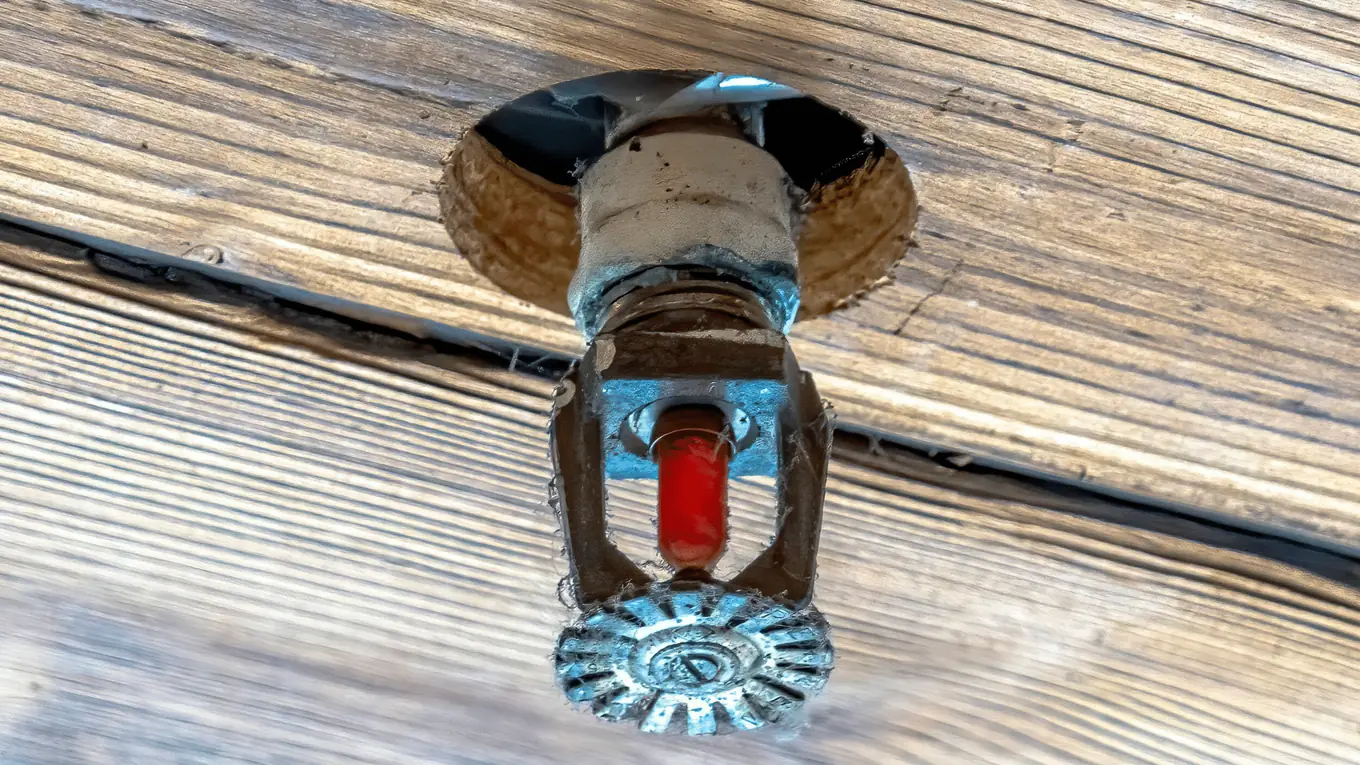
A lot of confusion comes from timing. People want a simple answer, something like, “How often does this need to happen?” The practical answer is that timing depends on the context of the system and the approval path around it. Denver’s fire safety inspections for commercial and institutional properties are typically on a roughly 12 month cycle, and those inspections can include a review of test records for fire safety systems. At the same time, any installation, modification, alteration, or repair involving fire suppression systems generally cannot begin until required permits are obtained, the job is registered, and working plans and hydraulic calculations are reviewed and approved under Colorado law. Then, before final sign-off of fire alarm and fire protection permits in Denver, acceptance or approval is required.
So while not every question about backflow timing can be answered with one universal calendar date, the larger pattern is clear. If the backflow assembly serves the fire protection water supply, it belongs inside the building’s inspection, testing, maintenance, permit, and approval workflow, not outside it.
Why backflow matters in a fire protection water supply
A fire sprinkler or standpipe system is only as dependable as the water path that feeds it. The parts inside the building get most of the attention because they are visible during inspections and emergency response, but the incoming supply arrangement is where reliability starts.
Backflow prevention exists to protect the potable water side from unwanted reverse flow conditions. In a fire protection setting, that means the assembly is part of the conversation any time someone is evaluating the supply arrangement serving the system. If there is a question about condition, status, testing records, or post-work approval, it can quickly become part of a larger fire protection review.
This is one reason experienced teams do not treat backflow work as separate from fire sprinkler installation Denver projects or other water-based system work. The backflow component may sit in a different mental bucket for some owners, but on the ground it affects the same end goal: a system that is approved, documented, and ready when needed.
In commercial fire protection Colorado projects, coordination problems often show up at the edges. One vendor is focused on interior sprinkler piping. Another is handling site or utility work. Someone else is managing acceptance testing. Then a final review approaches, and a missing record or unresolved issue around the water supply delays the whole closeout. That is not a technical mystery. It is usually a coordination failure.
The Denver inspection context owners need to understand
Denver’s annual fire safety inspections create a practical checkpoint for system records and visible conditions. The city’s materials describe those inspections as typically occurring about every 12 months for commercial and institutional properties. Inspectors can review exits, emergency lighting, fire-resistive separations, fire lanes, and records related to fire safety systems. If violations are found, an order notice for correction may follow.
That broader inspection environment is important because owners sometimes think only in narrow categories. They might separately track fire alarm monitoring Denver service, fire extinguisher inspections Denver, fire pump inspection Denver work, and sprinkler vendor visits, without stepping back to see how all those records look together when an inspector asks for them.
For water-based systems, NFPA 25 is the national standard for inspection, testing, and maintenance. For fire alarm systems, NFPA 72 covers design, installation, inspection, testing, maintenance, and emergency communications systems. Those are different standards serving different system types, but in the field they often come together during a building’s annual compliance rhythm. A missed record in one area can draw attention to the overall state of system management.
That is why backflow inspection Denver conversations belong in the same planning calendar as fire safety inspections Denver tasks. Even when different contractors perform different scopes, the owner or facility team still needs one organized compliance picture.
Typical timing, without pretending every building is the same
The cleanest way to talk about timing is to separate routine oversight from project-based events.
Routine oversight is where the annual inspection rhythm matters most. Denver’s commercial and institutional inspections generally happen about every 12 months, and records for fire safety systems may be reviewed during that process. For many property teams, that annual cycle becomes the natural moment to verify that all related documentation is current, accessible, and consistent.
Project-based timing is different. If a fire suppression system is being installed, modified, altered, or repaired, Colorado law requires permits and job registration before work generally begins, along with review and approval of working plans and hydraulic calculations. In Denver, fire protection engineering review is part of plan review, and acceptance or approval is required before final sign-off of fire alarm and fire protection permits. In those cases, timing is driven less by the calendar and more by the project sequence.
That distinction matters. A stable, existing system may be managed around recurring inspection and record review. A newly installed or altered system moves on a permit, review, testing, and approval timeline. Owners get into trouble when they assume those are the fire protection company near Denver same thing.
The most common timing pressure points tend to be these:
- before an annual fire safety inspection where system records may be reviewed
- during a fire sprinkler installation Denver project or another permitted fire protection change
- after a modification or repair that affects the water-based fire protection system
- before acceptance or approval needed for final sign-off
- when a deficiency or correction notice has already put the system under closer attention
None of that means every backflow issue follows an identical schedule. It means the practical timing almost always intersects with one of those moments.
Where backflow fits in a broader fire protection program
A building with strong fire protection management does not handle systems in isolation. The teams that stay organized usually think in layers. Water supply, alarm notification, suppression equipment, extinguishers, records, permitting, and inspections all support one another.
That is especially true in larger commercial settings. A property may have fire alarm monitoring Denver service, water-based sprinkler protection, a fire pump, portable extinguishers, and other fire suppression systems Denver features depending on use and hazard level. Each piece may have its own testing and documentation needs, but the owner still faces one real-world question: are we ready when the inspector arrives, and are we ready if there is an emergency?
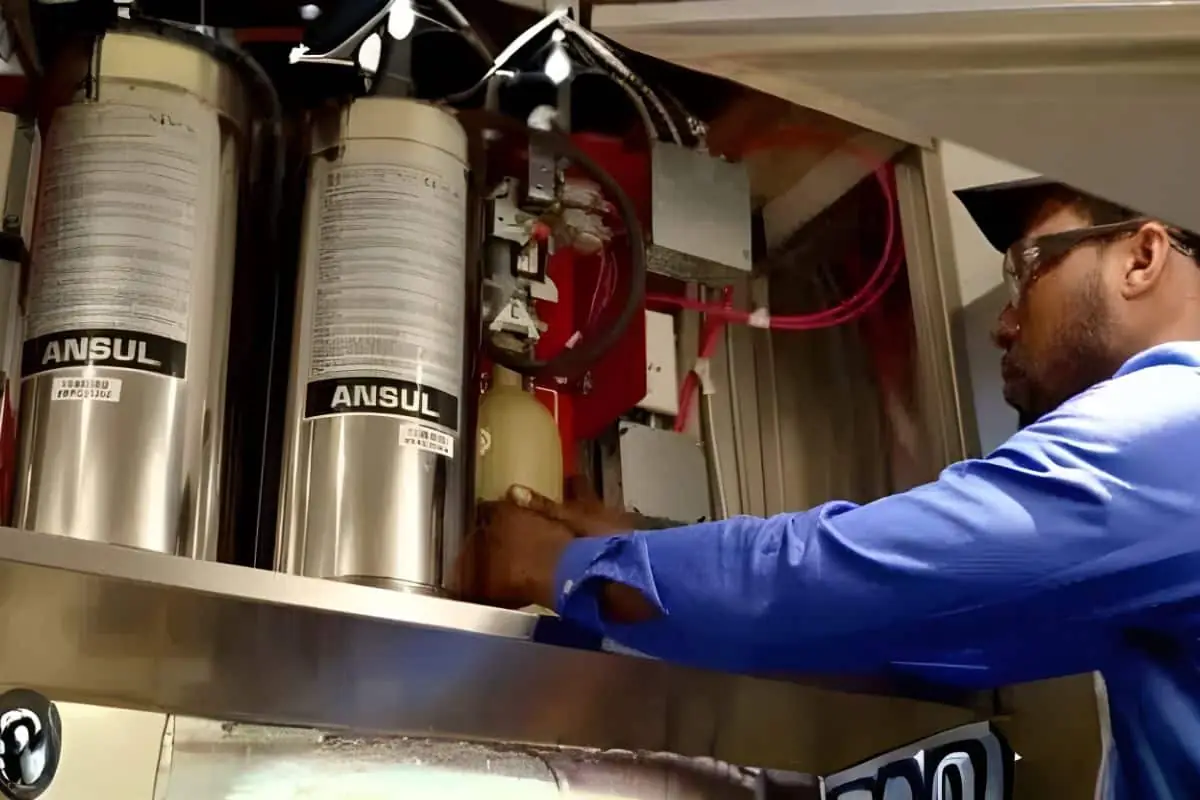
Backflow belongs in that conversation because it is tied to the supply side of the system. If the water-based fire protection system is being evaluated under NFPA compliance inspections Colorado expectations, the quality of records and coordination around the supply arrangement matters. If a fire pump is present, then fire pump inspection Denver work is another connected record stream. If extinguishers are due, then fire extinguisher inspections Denver records need to be current as well. The point is not that these items are interchangeable. They are not. The point is that poor coordination in one area often signals poor coordination elsewhere.
I have seen property teams do this well simply by keeping one calendar and one record package for all life safety vendors. I have also seen the opposite, where a manager has invoices in one folder, permits somewhere else, a fire alarm company portal no one checks, and no single set of current test records available during an inspection. The technical work may have been done, but the building still looks disorganized because the documentation trail is broken.
Permits, reviews, and why timing can shift during projects
Denver makes clear that permits are required for most construction, alteration, or repair work on private property. Colorado law adds a specific layer for fire suppression work by requiring permits, job registration, and review and approval of working plans and hydraulic calculations before work generally starts. That alone should tell owners that timing is not just about scheduling a technician. It is also about the approval path.
Then there is the review side. Denver’s process includes fire protection engineering review, and acceptance or approval is needed before final sign-off of fire alarm and fire protection permits. For project teams, this is where seemingly small omissions become expensive. If a scope that touches the water-based fire protection system is not fully aligned with permit and approval requirements, final sign-off can stall.
This is particularly relevant for fire system certification Colorado efforts at the end of a project. Owners often focus on opening dates, tenant move-in, or insurance milestones. The local authority having jurisdiction is focused on whether the required process was followed and whether the system has the acceptance or approval needed for sign-off.
Denver also notes that some inspections or coordination may occur outside normal business hours when needed. That can help on projects with tight operating constraints, but it should never be used as an excuse to leave planning until the last minute. Emergency fire protection Denver calls happen often enough in the real world, and they are almost always more expensive and more disruptive than getting the sequence right from the start.
Records are not glamorous, but they save projects
If you want one practical rule that cuts across fire protection Denver work, it is this: keep records where someone can actually find them.
During annual inspections, Denver may review test records for fire safety systems. During project closeout, approvals and acceptance matter for final sign-off. During a deficiency correction, a clear paper trail can speed resolution. During staffing changes, records prevent a new facility manager from starting from zero.
The most useful record set is usually simple:
- current inspection and test documentation for applicable fire safety systems
- permit and plan review records for recent installation, alteration, or repair work
- acceptance or approval paperwork tied to final sign-off when applicable
- correction notices and documentation showing how they were resolved
- contact information for the vendors handling alarm, sprinkler, pump, and extinguisher work
That kind of organization pays off beyond the backflow issue itself. It helps when a property is preparing for fire safety inspections Denver visits. It helps when a contractor needs to understand what was previously approved. It helps when a building owner is trying to confirm the status of commercial fire protection Colorado assets across multiple locations.
How backflow discussions intersect with other life safety systems
Owners sometimes ask why a backflow topic ends up connected to so many other systems. The short answer is that inspectors and reviewers rarely look at a building the way vendors do.
A vendor may only see one slice of the property. The alarm company sees initiating and notification devices, and maybe transmits signals through fire alarm monitoring Denver service. The sprinkler contractor focuses on valves, piping, and other water-based system components. The extinguisher provider looks at portable units. The fire pump specialist handles pump-related inspection and testing. But the authority reviewing the building is looking at life safety performance and compliance as a whole.
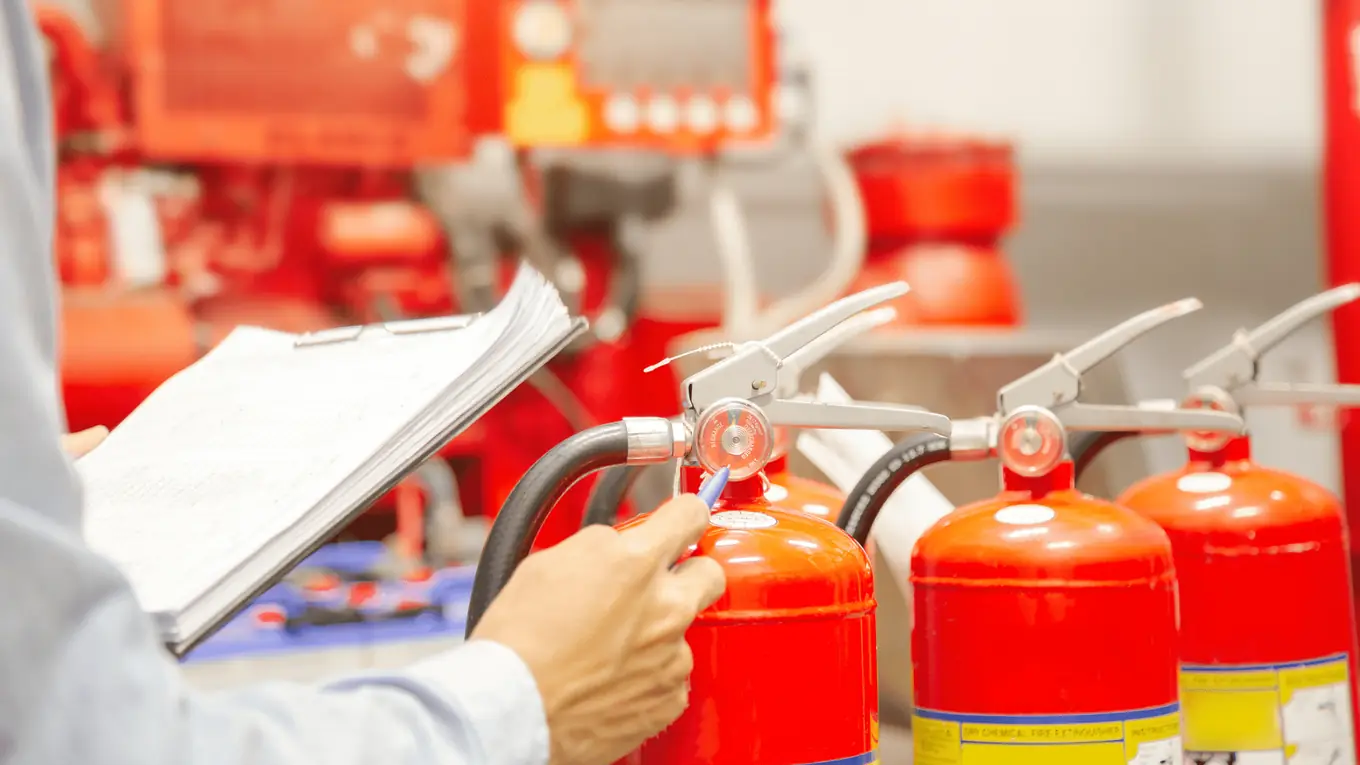
That is why a discussion about backflow inspection Denver can quickly lead into questions about the building’s broader records, recent permits, and status of other systems. If there was a recent fire sprinkler installation Denver project, was it properly permitted and reviewed? If fire suppression systems Denver work was altered, was acceptance completed before final sign-off? If annual records are under review, are extinguisher and alarm documents also current?
The same logic applies to system categories covered by national standards. NFPA 25 speaks to water-based fire protection system inspection, testing, and maintenance. NFPA 72 does the same for fire alarm and signaling systems. Those standards are not interchangeable, but they live next to each other in actual building operations.
Denver’s code cycle and why owners should pay attention
Denver has adopted new 2025 Building and Fire Codes effective December 31, 2025, with some projects allowed to use either the 2025 or 2022 code set depending on submittal date. For owners and project teams, that is not background noise. Code adoption timing can affect plan review strategy, submittal timing, and how a project is managed through approval.
That does not mean every existing building suddenly needs a complete overhaul on that date. It does mean that anyone planning significant fire protection work, including water-based system changes, should stay alert to which code set applies to their submittal and review path. If a team assumes the wrong standard or misses the transition timing, delays can follow.
For backflow-related work that connects to a permitted fire suppression scope, this matters because it changes the broader project environment around reviews and sign-off. A small oversight early in design or permitting can create a much bigger problem near the end.
What owners and managers should keep in view
The easiest mistake is treating backflow as a side issue because it is not the most visible fire protection component in the building. In practice, the buildings that stay out of trouble are the ones that treat water supply issues as part of the core fire protection program.
That means tying backflow attention to the same discipline used for fire safety inspections Denver readiness, fire pump inspection Denver scheduling, fire extinguisher inspections Denver documentation, and the recordkeeping that supports fire alarm monitoring Denver and other system oversight. It also means understanding when a simple recurring inspection mindset is not enough, particularly if a project involves installation, alteration, repair, or final sign-off.
If your building is in Denver, a sensible operating posture is to think in three tracks at once. First, expect the annual fire safety inspection rhythm and keep records ready. Second, if any fire suppression work is planned, deal with permits, registration, plans, and review before work starts. Third, do not assume that acceptance and final sign-off will sort themselves out later.
That approach may sound basic, but it is the difference between a smooth inspection and a scramble. It is also the difference between treating compliance like a once-a-year fire drill and treating it like what it really is: ongoing stewardship of the systems people depend on when conditions go bad fast.
Backflow inspection Denver work matters because fire protection starts with water supply reliability, not just with the devices people notice on the ceiling or wall. When owners understand that, timing becomes easier to manage. It stops being a guessing game and starts becoming part of a coordinated life safety plan.